Updated November 3, 2026 · 4 min read · Sources listed at the end
This macro calculator chipotle-style bowl builder estimates calories, protein, carbohydrate and fat from generic ingredients, so an order can be planned before standing in line. The numbers are estimates and not official restaurant data, which the sections below explain along with an ordering routine.
An honest note about the numbers
Estimates, not official nutrition facts
This page is not affiliated with Chipotle or any restaurant. The bowl builder uses generic food data (cooked chicken, rice, black beans, avocado and so on). Restaurant recipes, oils, marinades and portion sizes differ. For official figures, use the restaurant's own nutrition calculator before you order.
How to fit a restaurant bowl into your macros
Definition
A burrito bowl is a build-your-own meal of a protein, a starch, beans, vegetables and toppings served without the tortilla. Because each component is separate, it is one of the easiest restaurant meals to fit to a target.
The method has three steps:
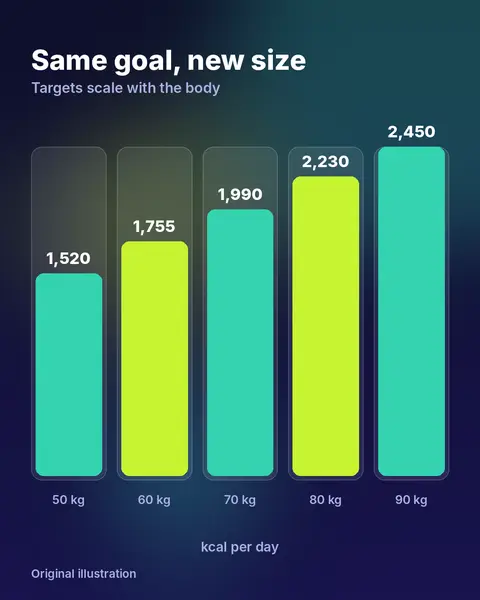
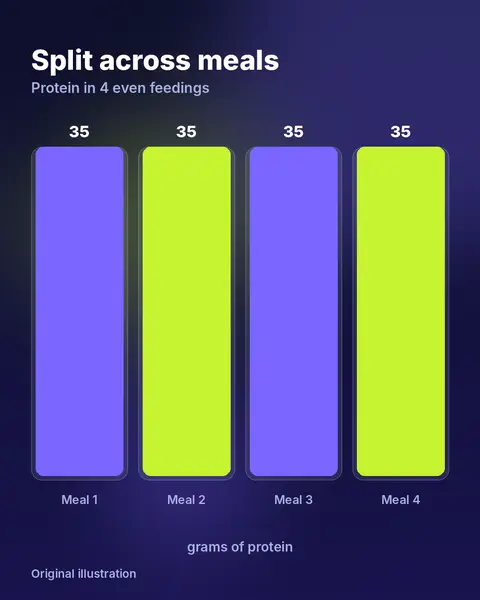
- Start from your meal target. If your day is 2,000 kcal with 150 g protein over four meals, a main meal is about 500 kcal and 35-40 g protein.
- Pick the protein first. Double protein is the cheapest way to raise protein without much extra carbohydrate.
- Add carbs and fat deliberately. Rice, beans, cheese, sour cream and guacamole are where calories climb.
Three example bowls (estimates)
| Bowl | Calories | Protein | Carbs | Fat |
|---|---|---|---|---|
| Balanced: chicken, white rice, black beans, avocado, peppers | 586 | 50 g | 65 g | 14 g |
| High protein: double chicken, beans, greens, peppers, tomato (no rice) | 562 | 83 g | 34 g | 9 g |
| Loaded: balanced bowl plus cheese | 706 | 57 g | 65 g | 24 g |
Adding about 30 g of cheese to the balanced bowl adds 120 kcal and 10 g of fat while adding only 7 g of protein. Doubling the chicken instead and dropping rice raises protein by 33 g and saves 24 kcal.
Original data: protein per 100 calories
Using generic food data: cooked chicken breast gives about 19 g of protein per 100 kcal, black beans about 7 g, white rice about 2 g, avocado about 1 g and cheddar cheese about 6 g. Choosing the protein-dense items first is why the double-chicken bowl reaches 83 g of protein for roughly the same calories.
Ordering strategies
- Fat loss: double protein, skip rice or halve it, add beans and vegetables, choose one fat source (avocado or cheese, not both).
- Muscle gain: keep rice and beans, add a protein double, and treat the extra fats as a bonus rather than a default.
- Eating out often: log the same bowl each time so the estimate is consistent. Consistency beats precision.
- If you are unsure: estimate on the high side. Under-logging restaurant meals is the most common mistake.
Why restaurant meals are the hardest to log
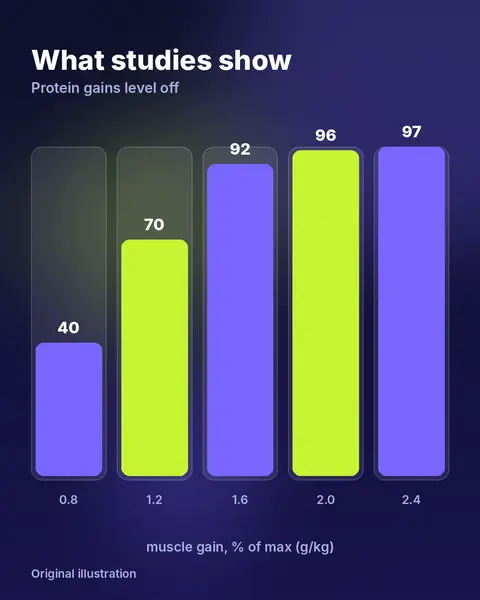
Restaurant food drifts from the stated numbers in both directions. Urban and colleagues (2010) analysed 29 restaurant foods from sit-down and fast-food chains and found measured energy was about 18% higher than the stated values on average. Portion sizes vary by server, and sauces and oils are rarely weighed. Diners compound the problem: Burton and colleagues (2006) found people underestimated calories more as meals got larger. A bowl with rice, beans, protein, cheese and guacamole is exactly the type of meal where small scoops add up.
A four-step ordering routine
- Decide the role of the meal. A main meal of about 500 to 700 kcal with 35 to 50 g of protein suits most plans.
- Choose the protein first. Double protein gives the best protein-per-calorie return.
- Choose one dense topping. Cheese, sour cream and guacamole are all high in fat. One is plenty for most plans.
- Log a generous estimate. If the numbers are not published, round up by 10 to 15%, which matches the typical error found in restaurant analyses.
Bowl versus burrito
The difference between a bowl and a burrito is mostly the tortilla. A large flour tortilla commonly adds roughly 200 to 300 kcal and about 35 to 50 g of carbohydrate, with little protein. A bowl with the same fillings gives more control: the rice can be halved, the beans doubled, and the tortilla calories go to protein instead.
Our take: what is overrated, underrated and wrong
The idea that a bowl is automatically "healthy". Toppings decide it.
Beans: cheap protein and fibre per calorie.
Skipping the logging because "it is a restaurant". Estimate it and move on.
How to use a Chipotle macro calculator
Build the bowl above, compare it with your daily targets from the macro calculator and adjust portions. Treat the result as an estimate and check the restaurant's own nutrition tool for official numbers.
FAQ
How many calories are in a burrito bowl?
It depends entirely on the build. Our generic estimate of a chicken, rice, beans and avocado bowl is about 590 kcal; with cheese and extra toppings it can be 700-1,000+.
What is the highest-protein order?
Double the lean protein and skip or halve the rice. Our estimate for a double-chicken, no-rice bowl is about 83 g of protein.
Are these official numbers?
No. They are estimates from generic data. Check the restaurant's official nutrition information.
Can I fit a restaurant meal in a calorie deficit?
Yes, if you plan the rest of the day around it. Use the food macro calculator to log the rest.
How do I choose between rice and beans?
Beans give more protein and fibre; rice gives easier-to-digest carbohydrate. For most fat-loss builds, beans win.
Is a burrito bowl good for weight loss?
It can be, when it is built around double protein, beans and vegetables with one fat topping. A bowl with rice, cheese, sour cream and guacamole can pass 900 kcal.
How accurate are restaurant calorie counts?
Published values usually come from standard recipes. Real portions vary, and independent analysis has found actual calories averaging about 18% above stated values in a sample of restaurant meals.
Can I eat out and still hit my protein target?
Yes. Order the protein double and keep the starch moderate. A bowl with 80 g of protein is possible for about 560 kcal in the estimates above.
Sources
- USDA FoodData Central (nutrient database)
- U.S. Department of Agriculture, Agricultural Research Service. FoodData Central (generic cooked chicken, rice, black beans, avocado, cheddar).
- Restaurant nutrition information: use the restaurant's own published nutrition calculator for official values.
Keep going
Food Macro Calculator
Search foods and log against your daily targets.
Recipe Macro Calculator
Macros per serving from your ingredient list.
Protein Calculator
Daily protein in grams for your goal.
Weight Loss Macro Calculator
Pace-based deficit with protein that protects muscle.
Macro Friendly Recipes
Six meals with calculated macros.
Muscle Gain Macro Calculator
Lean-bulk surplus by training experience.