Updated November 3, 2026 · 4 min read · Sources listed at the end
How plant-based macros differ
Definition
A vegetarian or vegan macro calculator works like any other, but nudges protein higher to allow for the lower digestibility and amino-acid balance of some plant proteins, and expects more carbohydrate and fibre to come along with that protein.
A cup of cooked lentils delivers about 18 g of protein, but also about 40 g of carbohydrate. A cup of cooked chicken delivers about 40 g of protein and no carbohydrate. Neither is better, but when you plan a day around lentils and beans, the carbs show up whether you ask for them or not. That is why a plant-based plan lands at a higher-carb split than an omnivore plan at the same calories.
Set your protein with the protein intake calculator, pick a pace in the macro calculator for weight loss and work out meals with the recipe macro calculator.
What the calculator changes for plant-based eating
- Protein is raised by roughly 5% over the standard value to cover digestibility differences.
- Fat stays near 28% of calories, ideally from nuts, seeds, avocado and olive oil.
- Carbs take the rest, usually 50% or more of calories.
- Sample day uses tofu, tempeh, seitan, lentils, chickpeas and pea protein.
Example (calculator output, plant-based style):
| Profile | Calories | Protein | Carbs | Fat |
|---|---|---|---|---|
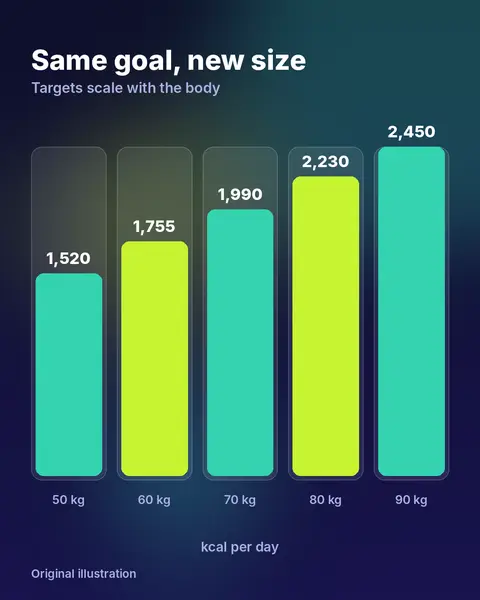
| Woman, 30 y, 165 cm, 60 kg, moderate, maintain | 2,046 | 101 g | 267 g | 64 g |
| Man, 26 y, 178 cm, 75 kg, moderate, novice muscle gain | 2,886 | 142 g | 377 g | 90 g |
Best plant protein sources
| Food | Portion | Protein | Notes |
|---|---|---|---|
| Seitan | 100 g | 25 g | Wheat-based, very high protein, low in lysine |
| Tempeh | 100 g | 20 g | Fermented, complete protein |
| Tofu, firm | half block (125 g) | 21 g | Complete; calcium-set versions add calcium |
| Lentils, cooked | 1 cup | 18 g | High fibre, iron |
| Chickpeas, cooked | 1 cup | 15 g | Versatile |
| Pea protein powder | 1 scoop (30 g) | 22 g | Convenient |
| Greek yogurt (vegetarian) | 170 g | 17 g | Dairy |
| Eggs (vegetarian) | 2 large | 13 g | Complete |
Values are approximate and use the same food list as the calculator.
Complete proteins: do you need to combine them?
Soy, quinoa and buckwheat each contain all nine essential amino acids. Others, like rice or beans, are lower in one or two. The old "combine at every meal" advice is not necessary; eating a variety of plant proteins across the day covers your amino-acid needs.
Nutrients to watch
| Nutrient | Why it needs attention | What to do |
|---|---|---|
| Vitamin B12 | Found almost only in animal foods | Fortified foods or a supplement (vegans especially) |
| Iron | Plant iron is absorbed less efficiently | Pair beans and greens with vitamin C; cook in cast iron |
| Zinc | Lower absorption from phytates | Soak or sprout legumes; include nuts and seeds |
| Omega-3 (EPA/DHA) | Fish is the main source | Algae oil; flax, chia and walnuts give ALA |
| Calcium | Fewer dairy sources | Fortified plant milks, calcium-set tofu, kale |
| Iodine | Often low without iodised salt or seaweed | Use iodised salt |
Sample vegan day, built by the calculator
Using the 60 kg woman's target (2,046 kcal, 101 g protein), the Sample day tab produces meals such as tofu scramble with oats and banana, lentil bowl with quinoa and broccoli, a pea protein smoothie with fruit and almonds, and tofu with pasta and zucchini. Try it above in the Sample day tab and hit "Shuffle foods" for variations.
What the research says
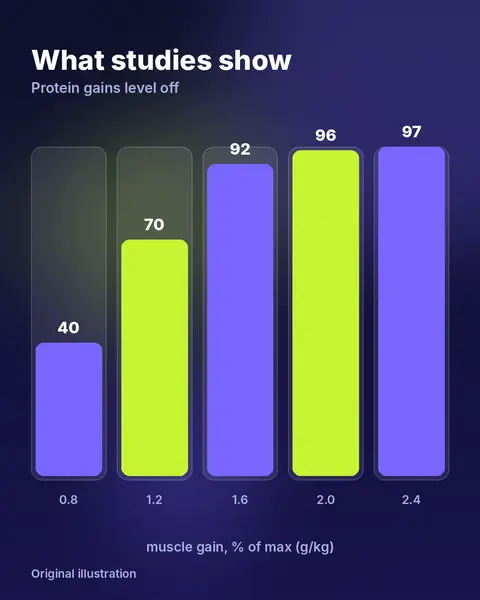
- Plant protein can build muscle. A 2018 meta-analysis by Morton and colleagues found no meaningful difference in muscle gains between animal and plant protein when total protein intake was adequate. Several trials since show similar results with soy or pea protein.
- Digestibility. The FAO's DIAAS scoring shows many plant proteins score lower than animal proteins, which is the reason for a modest protein bump.
- Health. Large cohort studies link diets rich in legumes, nuts, whole grains and vegetables with lower risk of heart disease and type 2 diabetes. A vegan diet needs B12 supplementation.
Original data: how much food it takes to hit 100 g of protein
Using the foods in our calculator, 100 g of protein from a single source means about 320 g of cooked chicken breast (530 kcal), 400 g of seitan (570 kcal), 590 g of firm tofu (850 kcal) or 5.6 cups of cooked lentils (1,290 kcal). The lentils also bring roughly 220 g of carbohydrate and 88 g of fibre. Seitan and tempeh are the most calorie-efficient plant proteins; lentils are the most nutrient-dense but carry a lot of carbs. Mix sources.
Our take: what is overrated, underrated and wrong
Complete-protein worries at every meal, and expensive vegan "protein" snacks. Whole foods do fine.
Seitan, tempeh and pea protein. They make 140 g of protein a day practical without 12 cups of beans.
"You can't build muscle as a vegan." You can; you just need adequate total protein, enough calories and a plan.
Using a vegetarian and vegan macro calculator
Enter your stats in the macro calculator, choose the plant-based option and check that protein comes from several sources such as legumes, soy, grains and seeds.
FAQ
How much protein do vegans need?
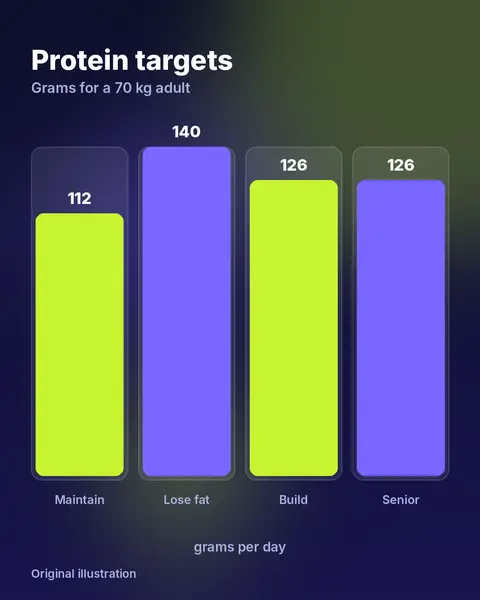
About 1.6-2.0 g per kg of body weight is a practical target for active vegans and people dieting; at least 1.2 g/kg for general health. The calculator adds a small buffer.
Is plant protein as good as whey for building muscle?
When total protein and training are matched, studies show similar gains. Soy and pea protein are the best-studied plant options.
Do I need to supplement B12?
Vegans should. Vegetarians who eat dairy and eggs often get enough, but check your levels with a clinician.
Can I lose weight as a vegetarian?
Yes. Plant foods are high in fibre and filling, which helps with a deficit. Keep an eye on oils, nuts and sweetened foods.
What are the best vegan high-protein foods?
Seitan, tempeh, tofu, lentils, chickpeas, pea protein, edamame and soy milk.
Sources
- Morton RW, et al. Br J Sports Med. 2018;52:376-384.
- FAO. Dietary protein quality evaluation in human nutrition. FAO Food and Nutrition Paper 92, 2013.
- Melina V, Craig W, Levin S. Position of the Academy of Nutrition and Dietetics: vegetarian diets. J Acad Nutr Diet. 2016;116(12):1970-1980.
- NIH Office of Dietary Supplements. Vitamin B12 and Iron fact sheets.
Keep going
Muscle Gain Macro Calculator
Lean-bulk surplus by training experience.
Macro Calculator for Women
Female-first defaults, safe floors and cycle notes.
Food Macro Calculator
Search foods and log against your daily targets.
Recipe Macro Calculator
Macros per serving from your ingredient list.
Weight Loss Macro Calculator
Pace-based deficit with protein that protects muscle.
What Are Macros?
Protein, carbs and fat explained simply.