Updated November 3, 2026 · 4 min read · Sources listed at the end
A macro calculator app is only useful if it is still open in week six, so this guide focuses on the traits that keep logging going: a clean database, a working barcode scanner, a free tier that does the job and a way to see weekly trends. It also covers how to track macros without any macro tracking app at all.
How we approach this page
Apps change prices, features and databases often, and rankings that name "the best" quickly go stale. We do not take payment for placement and we do not list prices here. Instead, this page teaches you to judge any app on the things that decide whether tracking works.
Definition
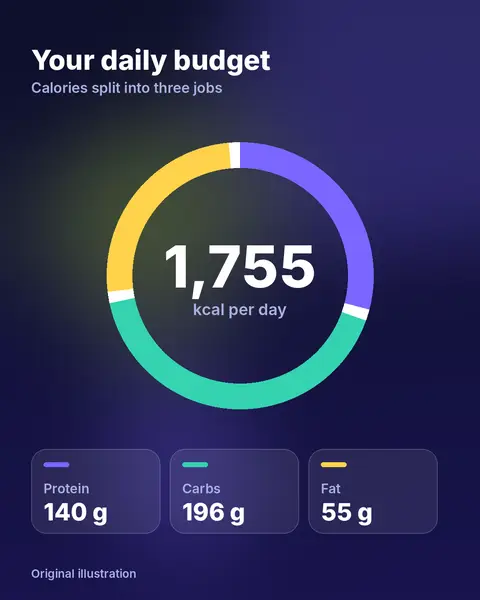
A macro tracking app lets you log foods and shows calories, protein, carbohydrate and fat against daily targets.
The seven criteria that matter
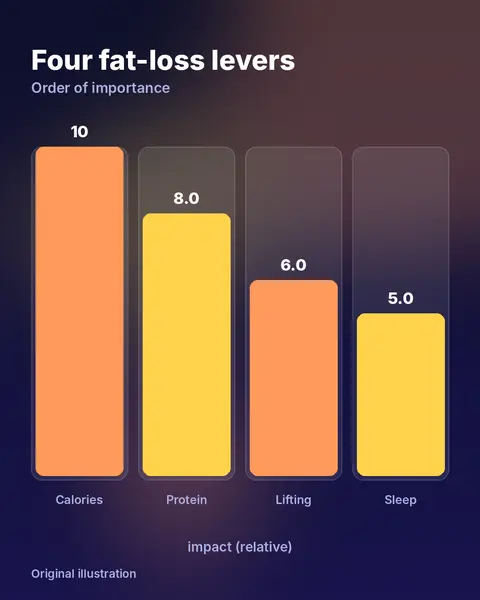
- Database quality. Verified entries beat crowd-sourced ones. Duplicates with different numbers are the biggest source of error.
- Barcode scanning. It makes packaged foods a 5-second job.
- Custom foods and recipes. You will need them for home cooking.
- Editable targets. The app must let you enter the grams from your calculator, not force its own.
- Protein visibility. Protein should be easy to see at a glance.
- Speed. If logging takes more than two minutes per meal, you will quit.
- Your cuisine. Check that it has foods you actually eat: roti, daal, local brands.
The ten-minute test
Before paying for anything, do this:
- Log yesterday's dinner from memory.
- Scan two packaged foods.
- Create one recipe with three ingredients.
- Enter custom targets.
- Search for a dish from your own cuisine.
If any step feels painful, move on.
Free option: no download
The food macro calculator and recipe macro calculator on this site keep a daily log in your browser. They are lighter than a full app: no barcodes and no cloud sync, but nothing to install, no account and no data leaves your device.
Paper and spreadsheets still work
A notes app with a running total is enough for many people. Weigh, write, add. The method matters more than the software.
Why app databases disagree
Most large apps combine a verified database with entries added by users. Verified entries come from labels and government tables such as USDA FoodData Central. User entries can be duplicated, mistyped or based on a different portion size. The practical effect is that the same food can appear with several calorie values. A few habits reduce the problem:
- Prefer entries marked as verified, or from the manufacturer's label.
- Check the serving size, because many errors come from "per piece" versus "per 100 g".
- Save the entries used regularly so the log stays consistent.
- For homemade dishes, build the recipe once and log by serving. The recipe macro calculator works the same way.
What to look for in a macro app by goal
| Goal | Features that matter most |
|---|---|
| Fat loss | Fast logging, barcode scanner, weight trend chart, weekly average |
| Muscle gain | Protein and calorie targets by day, easy repeat meals, training-day targets |
| Vegetarian or vegan | Plant-food database, per-gram protein sorting |
| Eating out | Restaurant entries, quick-add calories, photo notes |
| South Asian food | Home-style dishes and local units. See desi food macros |
How much logging is enough?
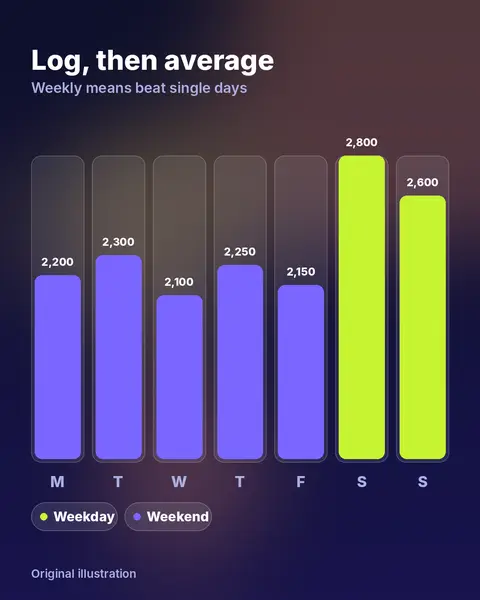
A systematic review by Burke and colleagues (2011) found that consistent self-monitoring of diet is linked with greater weight loss. The effect depends on regularity more than perfection. Logging most days, including weekends, beats logging precisely for a week and then stopping. That is the strongest argument for choosing the app that feels easiest, not the one with the longest feature list.
Our take: what is overrated, underrated and wrong
Premium features such as auto-meal-plans. Targets matter more than automation.
Saved meals. Most people eat the same 10 breakfasts and lunches.
Trusting every database entry. Always check calories against the pack.
How to choose the best macro tracking apps
Pick by database quality, barcode scanning, price and how easily you can edit macro targets. Start with the free tier, then test whether logging stays easy for two weeks.
FAQ
What is the best free macro tracker?
The best free tracker is one with a verified database, barcode scanning and editable targets. Run the ten-minute test on two or three options.
Do I need an app to count macros?
No. A scale, a notes app and the targets from a macro calculator are enough.
Why do apps show different calories for the same food?
Crowd-sourced entries vary. Prefer verified entries or label scans.
How accurate are macro apps?
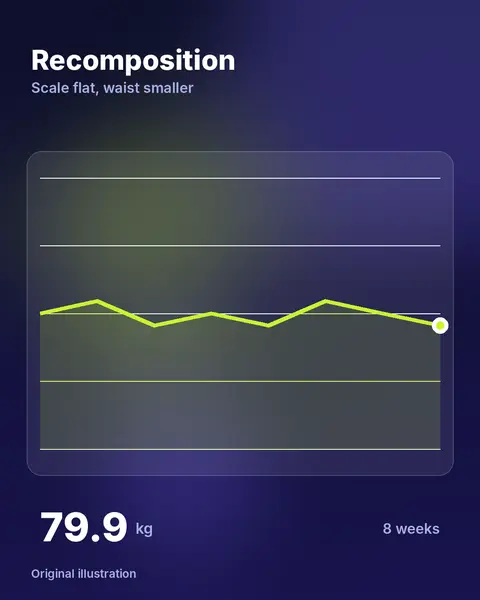
They are as accurate as the food entries and your portions. Errors of 10-20% are common, which is why trends over weeks matter.
Should I track forever?
No. Many people track for 4-8 weeks to calibrate portions and then track less.
Which app is best for beginners?
The one with the simplest logging flow and a working barcode scanner for the foods eaten at home. A beginner who logs for six weeks learns more than an expert who gives up in two.
Is a paid macro app worth it?
Only if a specific feature, such as recipe import, advanced targets or export, is needed and used. The free macro calculator and food macro calculator cover planning for no cost.
Can I track macros without an app?
Yes. A kitchen scale, a notebook or spreadsheet and the macro to calorie calculator cover the maths.
Sources
- USDA FoodData Central (nutrient database)
- Burke LE, Wang J, Sevick MA. Self-monitoring in weight loss: a systematic review. J Am Diet Assoc. 2011.
- Lichtman SW, et al. Discrepancy between self-reported and actual caloric intake. N Engl J Med. 1992.
Related reading: Apps log what the label says, so check how accurate food label calories are before trusting the last 50 calories.
Keep going
Food Macro Calculator
Search foods and log against your daily targets.
Recipe Macro Calculator
Macros per serving from your ingredient list.
How to Calculate Macros
The six-step maths with a worked example.
What Are Macros?
Protein, carbs and fat explained simply.
Not Losing Weight on Macros?
Seven reasons and a two-week test.
Weight Loss Macro Calculator
Pace-based deficit with protein that protects muscle.